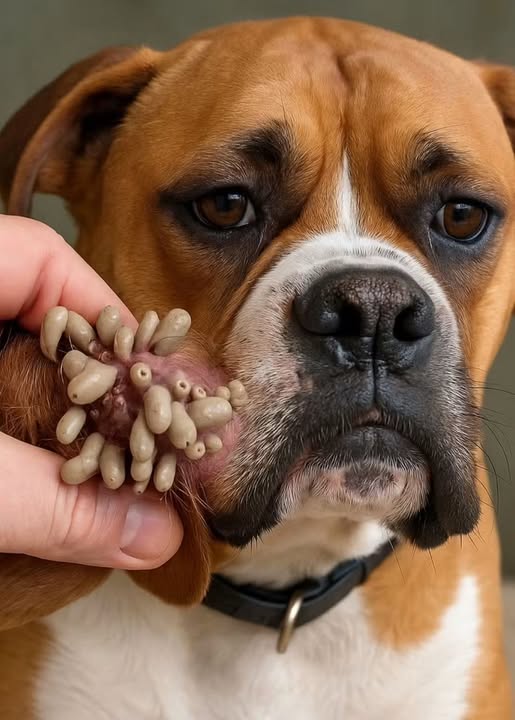
Seeing your dog in pain is stressful for any pet owner. Whether the discomfort comes from arthritis, injury, surgery, or a sudden illness, your first instinct is to help them feel better as quickly as possible. However, treating pain in dogs is not as straightforward as treating pain in humans. Many common human pain medications can be extremely dangerous—or even fatal—for dogs. Understanding safe options, warning signs, and when to seek professional help is essential for protecting your pet’s health.
This article explains what you can give your dog for pain under veterinary guidance, what you should never give, and how to safely support your dog’s comfort at home.
Why Dogs Need Specific Pain Medications
Dogs do not metabolize drugs the same way humans do. Medications that are safe for people, such as ibuprofen or acetaminophen, can cause severe organ damage in dogs. Because of this, veterinarians prescribe pain medications specifically designed and tested for canine use.
When a dog experiences pain, the safest option is always to consult a veterinarian who can diagnose the underlying cause and recommend a proper treatment plan. Attempting to treat pain at home without professional guidance can make the problem worse, delay proper treatment, or cause serious side effects.
Safe Pain Medications for Dogs (Veterinarian-Prescribed)
Here are common pain-relief options that your veterinarian may prescribe. These are not over-the-counter for pet owners and must only be given under professional supervision.
1. NSAIDs Made for Dogs
Veterinary NSAIDs (non-steroidal anti-inflammatory drugs) help reduce pain, inflammation, and swelling. These medications are formulated specifically for dogs and are much safer than human NSAIDs.
Common vet-approved NSAIDs include:
- Carprofen
- Meloxicam
- Deracoxib
- Firocoxib
- Grapiprant
These medications are often used to treat arthritis, post-surgical pain, and minor injuries. Even though they are designed for dogs, they still require correct dosing and monitoring, which is why a prescription is necessary.
2. Pain Relief for Severe or Chronic Conditions
When pain is more intense or long-term, veterinarians may prescribe:
- Gabapentin – for nerve pain and chronic discomfort
- Tramadol – sometimes used for short-term pain control
- Amitriptyline or other supportive medications depending on the condition
These medications help manage pain that does not respond to standard anti-inflammatory drugs.
3. Joint Supplements
While not painkillers, joint supplements can reduce inflammation and support long-term mobility, especially in aging or arthritic dogs.
Common ingredients include:
- Glucosamine
- Chondroitin
- Fish oil (omega-3 fatty acids)
- Green-lipped mussel
These supplements are safe for many dogs but work best when paired with veterinary guidance.
What You Should Never Give Your Dog for Pain
Many human medications are toxic to dogs, even in small amounts. You should never give the following unless specifically instructed by a veterinarian (which is rare):
❌ Ibuprofen (Advil, Motrin)
Extremely dangerous. Can cause stomach ulcers, kidney failure, and internal bleeding.
❌ Acetaminophen (Tylenol)
Toxic to dogs and can lead to liver damage and difficulty breathing.
❌ Aspirin
Sometimes mistakenly recommended online, aspirin can cause severe stomach irritation and bleeding. Veterinarians rarely recommend it today because safer options exist.
❌ Naproxen (Aleve)
Very toxic to dogs and can cause life-threatening kidney damage.
❌ “Herbal” or human supplements
Natural does not always mean safe. Many herbs interfere with medications or cause toxicity.
If your dog accidentally consumes any of these, contact an emergency veterinarian immediately.
Home Care Tips to Help Ease Your Dog’s Pain
While medication choices must come from a veterinarian, there are several safe, supportive steps you can take at home to help your dog feel more comfortable.
1. Provide a Comfortable Resting Area
Soft bedding, warm blankets, or orthopedic dog beds can reduce joint pressure and help dogs rest easier.
2. Use Warm or Cold Compresses
- Warm compresses can relax stiff joints and muscles.
- Cold compresses help soothe swelling after a sprain or minor injury.
Always use a barrier (like a towel) between the compress and your dog’s skin.
3. Encourage a Healthy Weight
Extra weight increases pressure on joints and can worsen pain. Your vet can guide you in proper portion sizes and balanced diets.
4. Gentle Movement
Complete rest can make stiffness worse. Short, slow walks help maintain mobility unless your veterinarian advises otherwise.
5. Environmental Adjustments
Consider:
- Ramps for getting into cars or onto furniture
- Non-slip rugs for hardwood floors
- Elevated food bowls to reduce strain
These changes help prevent accidental injuries and improve comfort.
How to Tell If Your Dog Is in Pain
Dogs are experts at hiding pain, so owners must watch for subtle signs. Common symptoms include:
- Limping or difficulty walking
- Whining, panting, or restlessness
- Decreased appetite
- Sleeping more than usual
- Stiffness after resting
- Reduced interest in play
- Aggression or sensitivity when touched
Any of these signs warrant a veterinary evaluation.
When to See a Veterinarian
You should contact a vet if:
- Your dog has sudden, severe, or worsening pain
- Pain lasts more than 24–48 hours
- The dog stops eating or becomes unusually withdrawn
- There is swelling, limping, or visible injury
- Your dog has trouble standing or walking
- Your dog is older and showing signs of chronic discomfort
Early diagnosis ensures safer and faster treatment.
Final Thoughts
Although it’s natural to want to help your dog feel better quickly, giving human pain medication can be extremely dangerous. The safest approach is always to consult your veterinarian, who can prescribe dog-safe pain relievers and guide you through proper dosing and monitoring. Combined with supportive home care, lifestyle adjustments, and regular checkups, most dogs experience significant relief and improved quality of life.
